
Is your waterway silting up? Do you need to clear sediment for construction or environmental reasons? Dredging might be the answer, but buying a dredge can be a huge investment. That’s where dredge rental comes in. It offers a cost-effective and flexible solution for many projects.
This guide will walk you through everything you need to know about dredge rental. We’ll cover the different types of dredges, the benefits of renting, factors affecting costs, and how to choose the right dredge for your specific needs. Let's dive in!
Understanding Dredge Types & Applications
Not all dredges are created equal. Different types are designed for different tasks. Knowing which one you need is the first step.
- Cutter Suction Dredges: These are great for removing large amounts of material. They use a rotating cutter head to loosen sediment, then suck it up through a pipe. Ideal for large-scale projects like harbor maintenance.
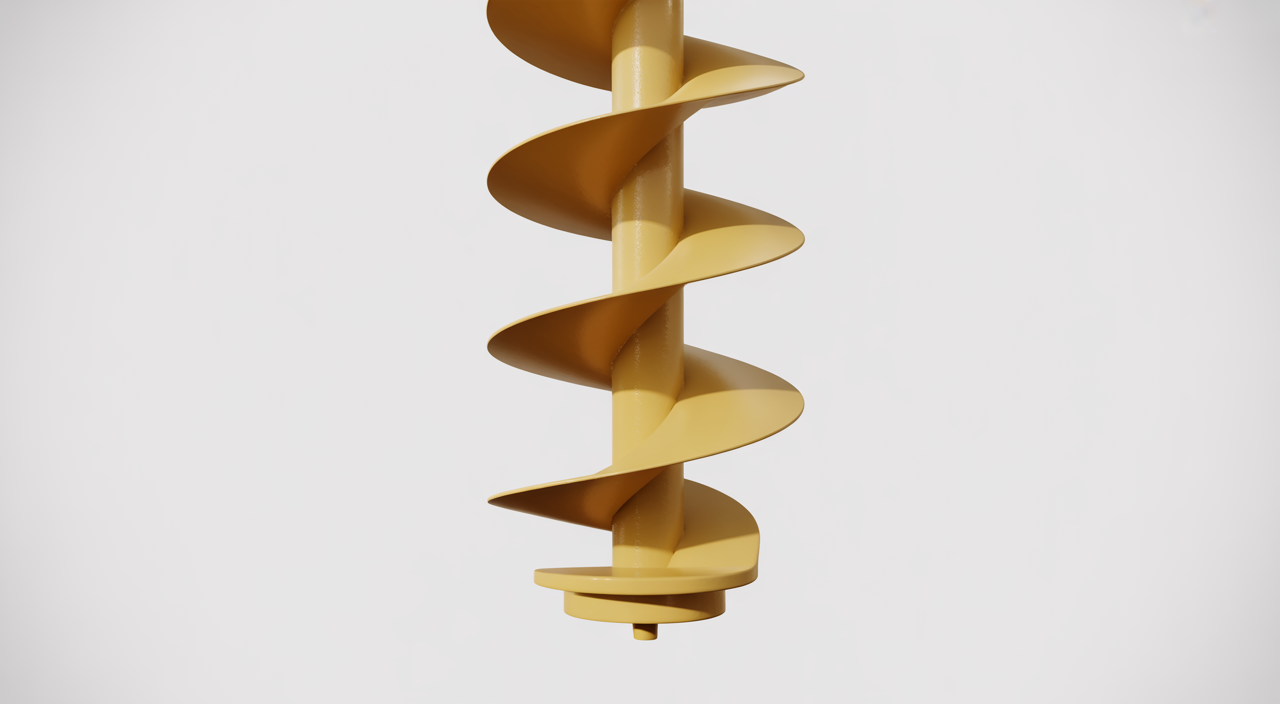
- Auger Dredges: Perfect for precise removal of sediment. They use an auger (a rotating screw) to pull material towards a suction inlet. Great for environmental cleanup and smaller channels.
- Jet Suction Dredges: These use high-pressure water jets to loosen material. They're often used in areas with loose sand and silt.
- Bucket Dredges: These use a series of buckets to scoop up material. They are ideal for removing hard-packed clay and gravel.
Benefits of Dredge Rental vs. Purchase
Why rent when you can buy? Here’s why dredge rental is often a smarter choice:
- Cost Savings: Renting eliminates the hefty upfront cost of purchasing a dredge. This frees up capital for other important project expenses.
- Flexibility: Rent the specific type of dredge you need for each project. No need to own multiple machines.
- Convenience: Avoid the hassle of storing and transporting a dredge. The rental company handles all the logistics.
- Maintenance Included: Reputable rental companies maintain their equipment, minimizing downtime and repair costs for you. This can increase your company’s business process efficiency.
Factors Affecting Dredge Rental Costs
Several factors influence the final cost of your dredge equipment rentals. Keep these in mind when budgeting:
- Dredge Type and Size: Larger and more specialized dredges will typically cost more to rent.
- Rental Duration: Longer rental periods may qualify for discounted rates.
- Project Location: Transportation costs can vary depending on the distance from the rental company.
- Additional Equipment and Services: Do you need extra piping, operators, or on-site maintenance? These will add to the overall cost.
The Dredge Rental Process
Dredge rental is a straightforward process. Here’s what you can expect:
- Consultation: Discuss your project requirements with the rental company. They’ll help you determine the best dredge for the job.
- Dredge Selection: Choose the specific dredge model that meets your needs and budget.
- Rental Agreement: Review and sign the rental agreement, paying close attention to the terms and conditions.
- Delivery & Setup: The rental company will deliver the dredge to your project site and assist with the initial setup.
- Training & Support: Receive training on how to operate the dredge safely and efficiently. Ongoing support is usually available throughout the rental period.
Safety & Maintenance Tips for Dredge Rentals
Safety is paramount when operating a dredge. Here are some essential tips:
- Read the Manual: Always familiarize yourself with the manufacturer's operating manual.
- Wear Protective Gear: Use appropriate safety equipment, including hard hats, safety glasses, and hearing protection.
- Inspect Regularly: Conduct daily inspections of the dredge and its components.
- Follow Guidelines: Adhere to all safety regulations and guidelines.
Proper maintenance will ensure smooth operation and prevent costly repairs. Some key tasks include:
- Greasing moving parts
- Checking fluid levels
- Inspecting hoses and connections
- Cleaning the dredge after each use
Case Studies: Successful Dredge Rental Projects
Here are some real-world examples of how dredge rental has helped businesses succeed:
- Lake Restoration: A lake association rented a small auger dredge to remove accumulated sediment, improving water quality and recreational opportunities.
- Construction Site Preparation: A construction company rented a cutter suction dredge to clear a waterway for bridge construction, saving time and money compared to traditional methods.
- Environmental Remediation: An environmental firm rented a specialized dredge to remove contaminated sediment from a riverbed, protecting the ecosystem.
FAQs About Dredge Rentals
Q: What permits are required for dredging projects?
A: Permit requirements vary depending on the location and the nature of the project. Consult with local and federal agencies to determine the necessary permits.
Q: How do I transport a dredge?
A: The rental company typically handles transportation. However, it’s essential to ensure proper permits are in place for over-the-road transport.
Conclusion
Dredge rentals offer a flexible, cost-effective solution for a variety of dredging projects. By understanding the different types of dredges, the benefits of renting, and the factors affecting costs, you can make an informed decision and ensure a successful project. Contact a reputable dredge rental company today to discuss your specific needs and receive a free quote.


