

Do you ever wonder how to truly protect your family and valuables from unexpected threats? In today's world, securing your home goes beyond just locks and alarms. Many homeowners are now considering residential safe rooms to create an ultimate sanctuary within their own property. These specially designed spaces offer unparalleled security against a variety of dangers, providing peace of mind when it matters most.This guide will explore what these secure spaces are, why they are a wise investment, and crucially, highlight the vital role your safe room's door plays in its overall effectiveness. We will break down complex features into simple terms, helping you understand how to achieve maximum protection.
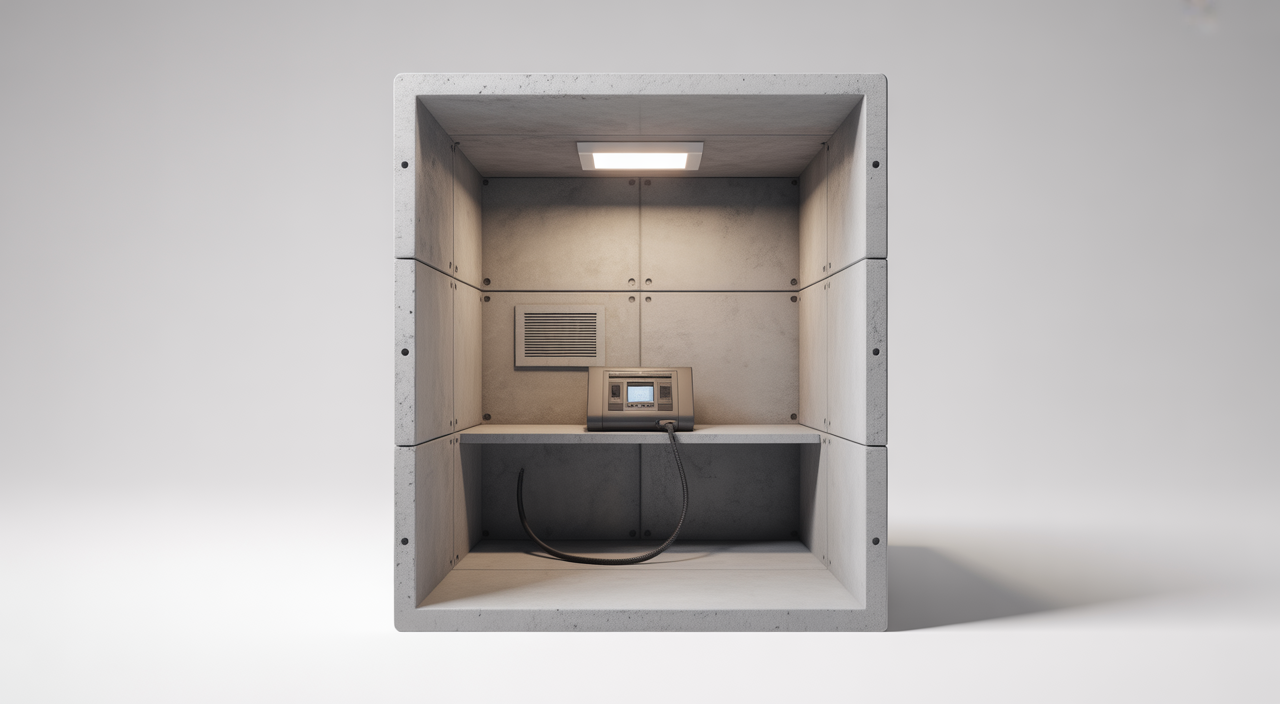
What is a Residential Safe Room? More Than Just a Panic Room
A residential safe room is a fortified space within your home. It is built to withstand extreme forces and provide protection from threats like intruders, natural disasters, and even ballistic attacks. Unlike a regular room, a safe room is engineered with enhanced structural integrity and specialized components.
Defining the Residential Safe Room
The main purpose of a residential safe room is to offer a secure haven. It protects your family members and important assets when external dangers arise. These rooms are built with robust materials and construction methods far superior to standard home building. They are designed for short-term occupancy during emergencies.
Safe Room vs. Panic Room vs. Storm Shelter
While these terms are often used interchangeably, they have subtle differences. A panic room typically focuses on protecting against human threats, like home invasions. It provides a quick hiding place until help arrives. A storm shelter is specifically designed to resist natural disasters such as tornadoes and hurricanes. It often follows strict federal guidelines.A modern safe room often combines the best features of both. It offers robust protection against intruders and can also withstand severe weather. This makes it a versatile and comprehensive security solution for your home.
Why Every Homeowner Should Consider a Residential Safe Room
The decision to invest in a safe room is a serious one. It reflects a desire for the highest level of security for your loved ones and possessions. Here are the main reasons why a safe room can be a valuable addition to your home.
Protection Against Home Invasion & Intruder Threats
In a home invasion, minutes matter. A safe room provides a secure space where your family can retreat and lock themselves in. This buys precious time for law enforcement to arrive. The reinforced walls and a high-security door make it extremely difficult for intruders to gain entry, turning your safe room into an impenetrable sanctuary.
Safety from Natural Disasters
For those living in areas prone to severe weather, a safe room can be a life-saver. Properly constructed residential safe rooms can withstand the extreme winds and flying debris of tornadoes and hurricanes. They offer a stable environment even when the rest of your home might be severely damaged. Many are built to meet or exceed national guidelines for storm shelters.
Safeguarding Valuables & Important Documents
Beyond personal safety, safe rooms also serve as highly secure storage. You can keep valuable jewelry, important legal documents, firearms, and other irreplaceable items safe from theft or damage. This added layer of protection ensures your most prized possessions are secure.
Unmatched Peace of Mind for Your Family
Ultimately, a safe room offers peace of mind. Knowing that you have a secure place to go in an emergency can reduce anxiety and stress. Imagine the relief of knowing you have a dedicated, impenetrable space where your family can gather during a crisis. It empowers your family with a plan, making them feel safer and more prepared for any unforeseen event.
The Indispensable Heart of Your Safe Room: The Armored Door
When it comes to building a secure safe room, every component is important. However, the door stands out as the most critical element. It is the primary point of entry and the biggest potential vulnerability.
Why the Door is the Most Critical Component of a Residential Safe Room
The strength of your safe room is only as good as its weakest point. For most rooms, this weakest point is the door. A standard door, no matter how thick, will not offer adequate protection against determined attackers or severe weather. A high-security, armored door is essential. It ensures the integrity of the entire safe room structure.
Key Features of a High-Security Safe Room Door
An armored door for a safe room is a marvel of engineering. It combines advanced materials and complex mechanisms to offer superior protection.
- Material Science: These doors are typically constructed from layers of solid steel, sometimes with ballistic plating or composite materials. These materials are chosen for their ability to resist heavy impacts, cutting tools, and even bullets.
- Locking Mechanisms: Forget simple deadbolts. Safe room doors feature multi-point locking systems that engage bolts into the frame at several points. Vault-style bolts, electronic keypads, biometric scanners (fingerprint recognition), and robust mechanical dials provide layers of access control.
- Frame & Hinges: The door is only as strong as its frame and hinges. Safe room doors use reinforced steel frames that are anchored deep into the surrounding walls. Heavy-duty, often hidden, hinges are designed to bear immense weight and resist forced entry attempts.
- Gasketing & Sealing: Specialized gaskets and seals around the door's perimeter protect against gas attacks, smoke, fire, and water ingress. This ensures the internal environment remains safe and livable during an emergency.
Understanding Safe Room Door Certifications & Standards
Reputable safe room doors adhere to strict industry standards and certifications. These ratings prove their ability to withstand specific threats.
- Certified Ratings: Independent testing laboratories evaluate doors for various levels of protection. For instance, specific certifications classify bullet resistance, while other standards address forced entry and blast resistance. These ratings indicate how long a door can resist different types of attacks.
- National Guidelines: For storm shelter doors, national guidelines like 320 and 361 provide criteria for doors to resist wind-borne debris and extreme pressures.
- Industry Standards for Vault Doors: Doors built like vault doors for safe rooms often follow standards designed for financial institutions. These ensure high resistance to burglary and manipulation.
If you're interested in learning more about what makes an entry point truly secure, you might find our guide on selecting a high-security front door very helpful.
Customization Options for Your Safe Room Door
Even with extreme security, you don't have to sacrifice aesthetics. Many armored door manufacturers offer customization options. You can choose different finishes, integrate wood cladding to match your home's decor, or select specific colors. Doors can also be integrated with smart home security systems for remote monitoring and access control. Features like viewports and emergency exits can also be added for functionality.
The Role of Professional Installation for Armored Doors
Installing an armored safe room door is not a do-it-yourself project. It requires specialized expertise to ensure the door, frame, and locking mechanisms are perfectly aligned and securely anchored. Improper installation can compromise the entire safe room's security. Professional installers understand the complexities of integrating these heavy-duty components into your home's structure.
Designing Your Residential Safe Room: Key Considerations
Once you understand the importance of the door, it’s time to think about the safe room itself. A well-designed safe room considers location, size, and internal features.
Location within Your Home
The best location depends on your home’s layout and primary threats. Basements are ideal for storm protection due to their underground nature. An interior room, away from exterior walls, can offer good protection against intruders. Some homeowners choose a detached structure for ultimate isolation.
Size & Capacity
Consider how many people will use the safe room and for how long. This will determine its necessary size. You'll also need space for essential supplies and comfort items. Proper planning ensures everyone can fit comfortably during an emergency.
Essential Internal Features
A safe room needs more than just strong walls and a door. It requires features to sustain life and allow for communication.
- Ventilation Systems: Proper airflow is crucial. This can include filtered air systems to protect against chemical or biological threats.
- Communication: A landline phone, two-way radio, or satellite phone ensures you can call for help even if regular services are down.
- Lighting & Power: Battery-powered or independent power sources for lighting, charging devices, and operating equipment are vital.
- Water & Food: Store enough non-perishable food and potable water for several days.
- Comfort: Seating, blankets, and a first aid kit can make a difficult situation more bearable.
Construction Materials for Walls & Ceiling
The walls and ceiling of a safe room are usually much stronger than standard home construction. Reinforced concrete is a common choice, offering excellent resistance to impact and penetration. Steel plates or ballistic panels can also be used. These materials are specifically chosen to integrate seamlessly with the robust safe room door frame, creating a continuous protective shell. When you're thinking about such serious building work, it's wise to be making smart decisions about construction materials.
Planning & Building Your Residential Safe Room
Building a safe room is a significant project. It requires careful planning and specialized expertise.
DIY vs. Professional Installation
While some construction projects can be DIY, a safe room is not one of them. The complexities of structural engineering, material selection, and, most importantly, the installation of the armored door, require professional knowledge. Mistakes can compromise your safety.
The Importance of Working with Experts
Engaging experienced professionals is key. This includes architects who can design a functional space, structural engineers to ensure integrity, and specialized safe room builders. These experts ensure your safe room meets all necessary security and safety standards. They also ensure the safe room door is perfectly integrated.
What to Expect During Construction
Construction of a residential safe room involves specialized techniques. It might take longer and be more intrusive than typical home renovations. However, the end result is a permanent security enhancement that offers unparalleled protection. The process typically involves careful planning, material sourcing, structural reinforcement, and precise installation of the door and internal systems.
Cost of a Residential Safe Room: What Influences the Investment
The cost of a residential safe room varies widely. It depends on several factors:
- Size: Larger rooms require more materials and labor.
- Materials: High-grade steel, reinforced concrete, and specialized ballistic panels are more expensive than standard building materials.
- Location: Converting an existing closet might be less costly than building a new underground bunker.
- Amenities: Advanced ventilation, communication systems, and custom interiors add to the price.
- The Door: Crucially, the type and security rating of the safe room door significantly impact the overall investment. A certified, multi-layered armored door with advanced locking mechanisms will be a major component of the cost.
While the initial investment can be substantial, consider it a long-term investment in your family's safety and peace of mind. The value of true security is priceless.
Conclusion: Secure Your Future with a Custom Residential Safe Room
Investing in a residential safe room is a profound step towards safeguarding your family and assets. It provides a robust defense against unpredictable threats, from natural disasters to home invasions. The core of this security lies in its construction, and especially in the strength and reliability of its armored door. By understanding the critical features, certifications, and installation requirements of a high-security door, you can make an informed decision to protect what matters most.Ready to explore the ultimate in home security? Learn more about our advanced residential safe rooms and armored door solutions.
Frequently Asked Questions About Residential Safe Rooms
Q1: How long can you stay in a safe room?
A1: Most residential safe rooms are designed for short-term occupancy, typically 24-72 hours. This is usually enough time for an immediate threat to pass or for emergency services to arrive. The duration depends on the size of the room and the life-sustaining amenities you have stored, such as water, food, and independent ventilation systems.
Q2: Can a safe room be hidden or disguised?
A2: Yes, many homeowners choose to hide or disguise their safe rooms. This can be done by building it into an existing space, like a large closet or pantry, and installing a door that blends with the surrounding decor. Some sophisticated designs use hidden entrances or access points disguised as bookshelves or wall panels, adding an element of surprise and further enhancing security.


