
In today's fast-paced digital world, learning and professional development often happen online. This brings amazing flexibility. But how can we ensure fairness and honesty when exams are taken from home? This is where the concept of a remote proctoring test comes in. It's a key tool for maintaining integrity in online assessments, whether for academic courses, professional certifications, or corporate training programs.
A remote proctoring test uses technology to supervise exams when the test-taker is not in the same physical room as the supervisor, or proctor. This method helps prevent cheating and ensures that everyone follows the rules. It makes sure that the person taking the test is who they say they are. It also checks that they don't use unauthorized materials or get outside help. Understanding how this process works is important for both those taking the tests and those offering them.
What Exactly is a Remote Proctoring Test?
Remote proctoring is a way to monitor exams taken outside a traditional classroom or testing center. It uses various technologies to observe test-takers during their assessments. The main goal is to uphold academic honesty. It creates a secure and trustworthy testing environment for online learners everywhere.
This approach allows educational institutions and businesses to offer exams with confidence. They know that the results are reliable. It removes the need for students to travel to specific locations. This saves time and money. It also offers greater convenience and accessibility for a wider range of participants, which is a big benefit for global audiences.
How Remote Proctoring Works: A Step-by-Step Breakdown
The process of a remote proctored exam involves several steps. Each step helps to secure the assessment. It also ensures a smooth experience for the test-taker.
1. Pre-Test Setup and System Requirements
Before the exam begins, test-takers must prepare their testing environment and computer. This usually involves ensuring they have a working webcam, microphone, and a stable internet connection. Specific software or a browser extension may need to be installed. They also need to check that their computer meets the minimum system requirements. A quiet, private space with good lighting and a clear desk is often required. This setup helps prevent distractions and potential rule violations.
2. Identity Verification
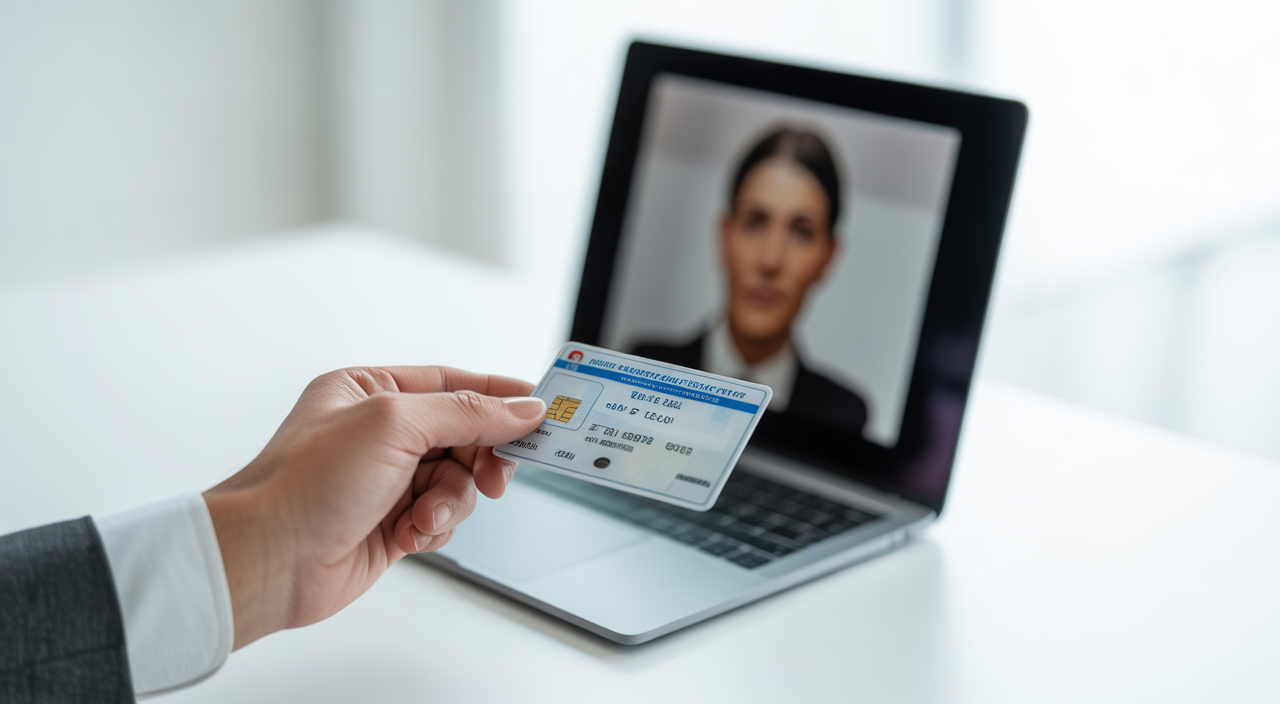
One of the first steps in any remote proctoring test is confirming the test-taker's identity. This might involve showing a government-issued ID to the camera. Some systems use advanced facial recognition technology. This ensures the correct person is taking the exam. It adds a strong layer of security to the entire process.
3. During the Test: Monitoring and Detection
During the exam, the proctoring system continuously monitors the test-taker. This monitoring can be done in different ways. Some systems have a live human proctor watching through the webcam and screen share. Others use artificial intelligence (AI) to detect suspicious behaviors. This includes unusual eye movements, talking, or opening unauthorized applications. The system may also scan the room virtually. This helps ensure no unauthorized materials are present.
4. Post-Test Review and Reporting
After the exam, the proctoring system often reviews any flagged incidents. If AI detected suspicious activity, a human proctor might review the recording. They will determine if a rule was truly broken. Institutions then receive reports detailing any potential violations. This allows them to make informed decisions about the exam results. It helps maintain the integrity of the assessment process.
Types of Remote Proctoring Solutions
Different types of remote proctoring solutions exist to meet various needs. Each has its own benefits and features.
1. Live Online Proctoring
With live online proctoring, a human proctor watches the test-taker in real-time. They use the webcam, microphone, and screen-sharing tools. The proctor can interact with the test-taker. They can ask questions or address issues immediately. This method offers the highest level of human oversight and personal interaction.
2. Automated AI Proctoring
Automated proctoring relies on artificial intelligence algorithms. These algorithms monitor test-takers and flag suspicious activities. AI can track eye movements, head movements, and keyboard activity. It can even detect if other voices are present. This method is highly scalable. It can supervise many exams at once. A human review often follows AI flags to confirm any potential issues.
3. Record-and-Review Proctoring
In this method, the entire testing session is recorded. This includes video, audio, and screen activity. No live proctor is present during the exam. Instead, human proctors review the recordings later. They look for any policy violations. This offers flexibility for scheduling tests. It also allows for detailed review after the fact.
4. Hybrid Models
Many solutions use a hybrid approach. This combines the strengths of both AI and human proctoring. AI can handle the initial monitoring and flag potential issues. Human proctors then step in to review these specific alerts. This balance can offer strong security while managing costs effectively.
Benefits of Remote Proctoring for Institutions and Test-Takers
Remote proctoring offers significant advantages for everyone involved in online assessments.
For Institutions
- Enhanced Academic Integrity: It ensures that online exams are secure and fair. This boosts confidence in the results.
- Scalability and Flexibility: Institutions can offer exams to a large number of students anywhere in the world. They can do this without needing physical space.
- Cost-Effectiveness: It often reduces the overhead costs associated with setting up and staffing physical testing centers.
- Data and Analytics: Many platforms provide useful data on exam security trends. This helps institutions improve their assessment strategies and explore Paradigm Interactions' comprehensive solutions.
For Test-Takers
- Convenience and Accessibility: Students can take exams from the comfort of their home or any suitable location. This eliminates travel stress.
- Flexibility in Scheduling: It often allows for more flexible exam times. This can fit diverse schedules and time zones.
- Reduced Travel Time and Costs: No need to commute to a testing center. This saves time, money, and effort.
Challenges & Common Concerns with Remote Proctoring Tests
While beneficial, remote proctoring also comes with its share of challenges and common concerns.
1. Privacy Concerns
Many test-takers worry about their privacy. They are concerned about being watched through a webcam and having their screen monitored. It's important for providers to clearly communicate their data handling policies. They must follow data protection regulations like GDPR or FERPA.
2. Technical Issues
Technical problems can be a major source of stress. These include unstable internet connections, software glitches, or hardware compatibility issues. A robust support system and clear instructions are essential to minimize these problems.
3. Test Anxiety and Fairness
Some test-takers feel anxious knowing they are being constantly monitored. There's also a concern about being flagged unfairly for innocent actions. Clear guidelines and transparent review processes help address these fears.
4. Accessibility Issues
Ensuring equitable access for all learners is crucial. This includes students with disabilities who might require specific accommodations. The proctoring system should be designed to support diverse needs.
5. Data Security and Compliance
Collecting personal data during an exam requires strong security measures. Institutions and proctoring providers must protect sensitive information. They must also comply with local and international data privacy laws.
Best Practices for a Successful Remote Proctoring Test Experience
A positive remote proctoring experience relies on good preparation and clear communication from both sides.
For Students (How to Prepare)
- Familiarize Yourself: Take practice tests if available. Understand how the system works before your actual exam.
- Technical Checklist: Ensure your internet is stable. Check your webcam and microphone. Update your browser or software as needed.
- Environment Preparation: Find a quiet, well-lit space. Clear your desk of all unauthorized items. Inform others in your household that you need uninterrupted time.
- Understand the Rules: Read all exam instructions carefully. Know what is and isn't allowed during the test.
- Troubleshooting Guide: Have contact information for technical support ready. Know what to do if you encounter a problem during the test.
For Institutions (Implementing Effectively)
- Choose the Right Solution: Select a proctoring service that aligns with your institution's needs and values. Consider its features, security, and support.
- Clear Communication: Provide detailed, easy-to-understand instructions to students well in advance of the exam. This reduces anxiety.
- Adequate Technical Support: Offer clear channels for students to get help before and during the exam. Using effective computer and phone applications for business can streamline support.
- Training for Staff: Ensure proctors and administrators are well-trained on the system. They should also know how to handle incidents fairly.
- Operational Communication Strategies: When communicating with test-takers or clients, especially via platforms like WhatsApp, always adhere to your proctoring provider's specific guidelines. For instance, it's crucial to avoid using generic or shared email IDs for large-scale campaigns to prevent being marked as spam.
- Balance Security with Experience: Strive for a balance between strong security measures and a user-friendly experience for your test-takers.
The Future of Online Assessment: Innovations Beyond the Remote Proctoring Test
The field of online assessment is always evolving. We can expect even more sophisticated technologies in the future. This includes advanced adaptive testing, where questions adjust to a student's performance in real-time. Biometric authentication might become more widespread. This could include fingerprint or voice recognition. These innovations aim to make online assessments even more secure, fair, and personalized.
Conclusion: Embracing Secure & Flexible Online Assessments
The remote proctoring test has become an essential part of online education and professional development. It offers a reliable way to conduct secure assessments remotely. By understanding how it works, its benefits, and its challenges, both test-takers and institutions can approach it with confidence. Following best practices ensures a fair, secure, and positive experience for everyone involved in the growing world of online learning.
Frequently Asked Questions About Remote Proctoring
- Is remote proctoring completely safe and secure?
While no system is 100% foolproof, reputable remote proctoring services employ multiple layers of security. These include identity verification, real-time monitoring, and encryption. They also follow strict data privacy regulations to protect test-taker information. Always choose a provider with a strong track record in security.
- What happens if I experience a technical issue during a remote proctoring test?
Most remote proctoring systems have procedures for technical issues. It is vital to contact technical support immediately. Their contact details should be provided before the exam. Depending on the issue, you might be able to resume your exam. You might also need to reschedule it. Having a clear strategy to increase your business efficiency by providing robust support channels is key for institutions.


