
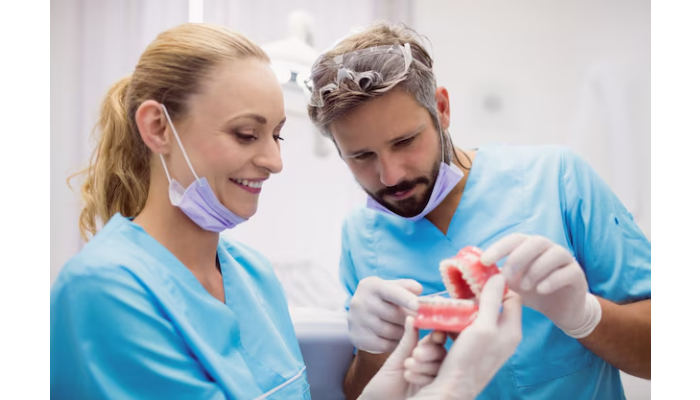
If you're considering dental prosthetics in Tampa, you're not alone. Dental prosthetics offer a life-changing solution for those with missing teeth or those looking to restore their smile. Whether it's dentures, crowns, bridges, or implants, dental prosthetics can significantly improve both the function and appearance of your teeth. The process can seem daunting, but understanding what to expect during your dental prosthetic procedure can help alleviate any anxieties and prepare you for a smooth experience. In this article, we will walk you through the steps, the procedures, and how to make the most out of your dental prosthetics journey.
What Are Dental Prosthetics?
Dental prosthetics are devices designed to replace missing or damaged teeth. They include a wide range of options, such as dental implants, crowns, bridges, and dentures. These prosthetics are custom-made to match the natural structure of your teeth, offering both aesthetic and functional benefits.
When it comes to dental prosthetics in Tampa, many patients seek these treatments to restore not only the appearance of their smile but also their ability to eat, speak, and chew comfortably. Whether you're getting a single crown or a full set of dentures, dental prosthetics offer long-lasting and reliable solutions.

Initial Consultation And Evaluation
Your journey with dental prosthetics begins with a consultation at a reputable dental practice in Tampa. During this visit, the dentist will assess your oral health to determine which type of prosthetic is best suited for your needs.
Key Steps in the Evaluation Process:
- Medical and Dental History: Your dentist will take a thorough look at your medical and dental history to ensure you're a good candidate for dental prosthetics. They may ask about any health conditions, previous dental work, or medications you're taking.
- Examination and X-rays: The dentist will perform a detailed examination of your teeth, gums, and jawbone. This will include taking digital X-rays to understand the bone structure and to check for any underlying dental issues that may need to be addressed before proceeding.
- Treatment Planning: Once your dentist determines the right prosthetic for you, they will create a personalized treatment plan. This will include timelines for each stage of the procedure, from preparation to final placement.
Preparing For Your Dental Prosthetic Procedure
Once you and your dentist have agreed on the type of dental prosthetic, the next step is preparing for the procedure. Depending on the type of prosthetic you're receiving, this preparation process can vary.
- Implant Surgery: If you're opting for dental implants, your dentist will discuss the surgical procedure. This typically involves placing a titanium post into the jawbone, which serves as the root for the new tooth.
- Crown or Bridge Preparation: For crowns or bridges, your dentist may need to remove some of the existing tooth structures to ensure a proper fit for the prosthetic. Impressions of your teeth will be taken to create a custom prosthetic that matches your natural teeth.
- Dentures: If you're getting dentures, impressions will be taken of your gums to create a mold. You will also discuss the type of dentures you prefer, whether full or partial and the materials that best suit your needs.
The Procedure: What To Expect?
The procedure for placing dental prosthetics can vary depending on the type of prosthetic you're receiving. Below is a breakdown of what you can expect during each type of procedure.
Dental Implants
- Surgical Placement: For dental implants, the first step involves surgically placing a titanium post into your jawbone. This procedure is typically done under local anesthesia to ensure you're comfortable throughout the process.
- Healing Time: After the implant is placed, there will be a healing period during which the titanium post integrates with the bone. This process can take several months, but it's essential for ensuring the long-term success of the implant.
- Abutment and Crown Placement: Once the implant has fully integrated with the bone, an abutment (a small connector) is placed on top of the post. This is followed by the placement of the custom crown, which is designed to match your surrounding teeth.
Crowns And Bridges
- Tooth Preparation: If you're getting a crown or bridge, your dentist will first prepare the affected tooth by removing any damaged portions. For a crown, the tooth is shaped to accommodate the prosthetic. For a bridge, adjacent teeth may need to be filed down to hold the bridge in place.
- Impressions and Temporary Prosthetics: Your dentist will take impressions of your teeth to create a custom-fit crown or bridge. While your permanent prosthetic is being made, you may be fitted with a temporary crown or bridge to protect your teeth.
- Final Placement: After the permanent prosthetic is created, your dentist will carefully place it and ensure it fits properly. They will make any necessary adjustments to ensure comfort and proper bite alignment.
Dentures
- Fitting and Adjustments: Once your dentures are ready, you'll return to your dentist for a fitting. The dentures will be carefully placed in your mouth, and your dentist will ensure they fit comfortably. It may take several adjustments to achieve the right fit.
- Getting Used to Dentures: Wearing dentures can take some time to get used to. You may experience some discomfort or difficulty speaking or eating initially. Your dentist will guide you through the adjustment period and provide tips on how to care for your dentures.
- Follow-Up Visits: After the placement of your dentures, you'll likely need follow-up visits to ensure they're fitting well and not causing any irritation. Your dentist will also check for any signs of gum irritation or infection.
Aftercare And Maintenance
After your dental prosthetic procedure, it's crucial to follow the aftercare instructions provided by your dentist to ensure the longevity and success of your new prosthetics. This may include:
- Proper Cleaning: Regular brushing and flossing are essential to keep your dental prosthetics clean and free from plaque buildup. Your dentist will provide specific cleaning instructions based on the type of prosthetic you've received.
- Regular Check-ups: Regular dental visits are necessary to monitor the condition of your prosthetics and ensure they continue to fit properly. Your dentist will check for any signs of wear or damage.
- Dietary Considerations: Depending on the type of prosthetic, you may need to avoid hard or sticky foods to prevent damaging your new teeth.
Conclusion
Dental prosthetics in Tampa can provide life-changing benefits for those in need of tooth replacement or restoration. Whether you're opting for implants, crowns, bridges, or dentures, understanding the process can help make your experience smoother and more comfortable. By following your dentist's advice and practicing proper aftercare, you can enjoy your new smile for many years to come. If you're ready to take the next step, schedule a consultation with a trusted dentist in Tampa to discuss your options and begin your journey toward a healthier, more confident smile.


